
As the weather changes, your skin's needs change, too. Here's how to adjust your skincare routine for the cooler months without overcomplicating it.
That lightweight moisturizer you loved all summer? It might not be enough anymore.
As temperatures drop, humidity decreases, and indoor heating becomes part of everyday life, your skin can start responding differently. You may notice increased dryness, tightness, sensitivity, or even more visible irritation.
The good news? A few thoughtful adjustments can help keep your skin comfortable, hydrated, and supported throughout the colder months.
Why Your Skin Needs Change With the Seasons
Your skin is constantly responding to its environment. During cooler weather, lower humidity and indoor heating can contribute to increased transepidermal water loss (TEWL), which is the process of water evaporating from the skin.
When your skin loses too much moisture, its protective barrier can become compromised, leaving it feeling dry, tight, and more reactive.
This is why transitioning your skincare routine is about more than simply switching moisturizers. It's about supporting your skin barrier and maintaining hydration as environmental conditions change.
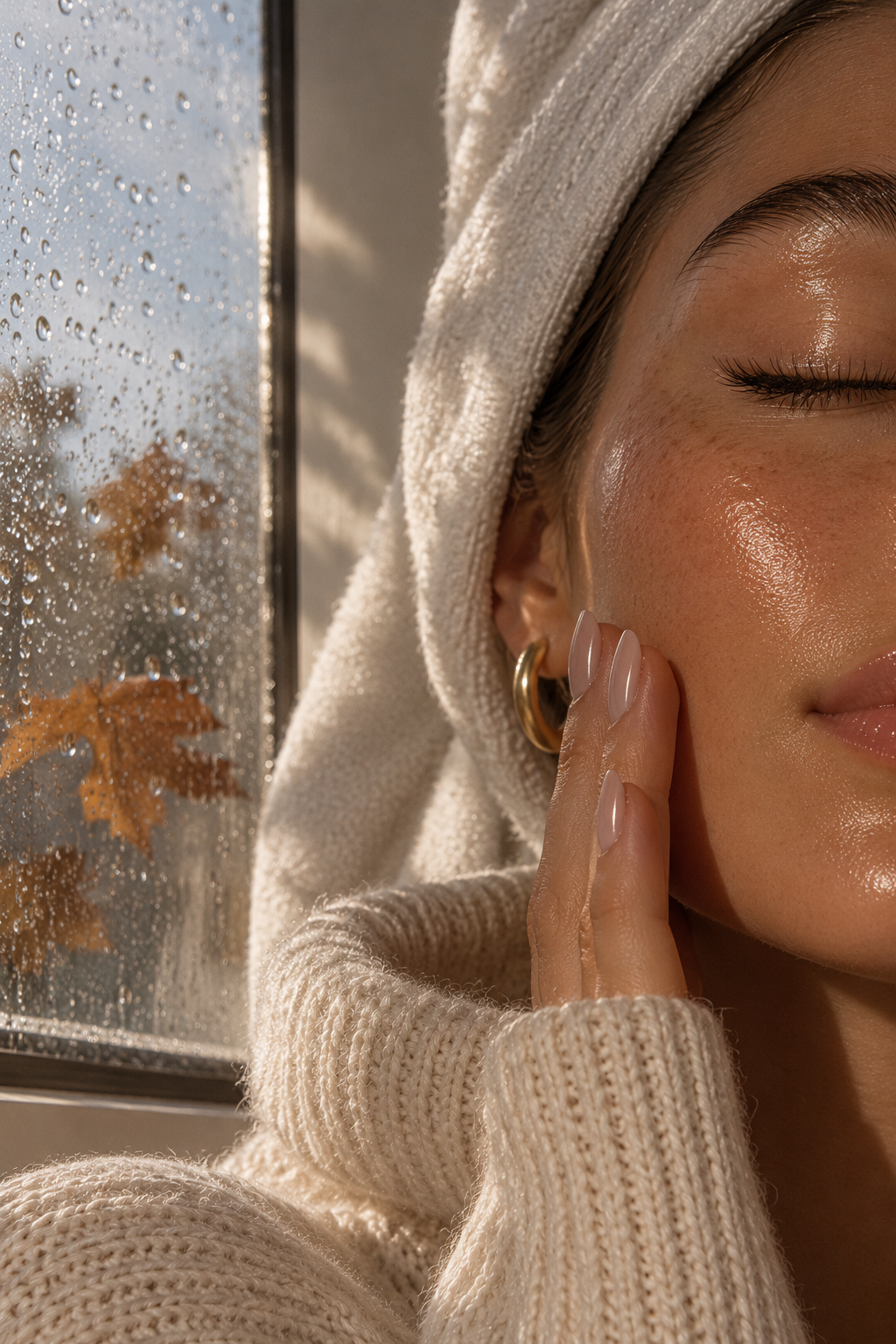
5 Ways to Transition Your Skincare Routine
1. Prioritize Hydration
Start by incorporating hydrating products that help replenish moisture and support your skin throughout the day.
Applying a hydrating serum to slightly damp skin can help attract and retain moisture. We love incorporating GlyMed CBD-B3 Mist as a refreshing first step before applying serums and moisturizers.
2. Switch to a More Nourishing Moisturizer
If your skin starts feeling tight shortly after moisturizing, it may be time for a richer formula.
Look for ingredients such as ceramides, fatty acids, and nourishing lipids that help support the skin's natural barrier.
A couple of our favorites include SkinBetter Trio Luxe and Hydrinity Célthera, both great options to explore when your skin needs additional nourishment.
3. Incorporate Facial Oils and Balms
Sometimes, your moisturizer needs a little extra support.
Facial oils and balms can be incorporated as the final step of your evening routine to help reduce moisture loss and leave skin feeling soft and nourished.
Two products worth exploring are Anfisa's An-Balm and GlyMed's Cell Protection Balm.
4. Reevaluate Your Exfoliation Routine
Cooler weather doesn't mean you have to stop exfoliating, but it may be a good time to reassess how frequently you're doing it.
If your skin starts feeling irritated, sensitive, or unusually dry, consider reducing exfoliation and focusing on barrier support instead.
Gentler options, such as mandelic acid formulations, may be worth discussing with your esthetician if you're looking for a more comfortable approach to exfoliation.
Remember, more exfoliation doesn't necessarily mean better results.
5. Keep SPF in Your Daily Routine
One skincare step that never takes a seasonal vacation? Sunscreen.
Even when temperatures drop or the sun isn't as noticeable, UV exposure is still a consideration. Daily broad-spectrum SPF helps protect your skin from cumulative sun damage and premature signs of aging.
We love SkinBetter's mineral sunscreen options and Colorescience Sunforgettable Flex for everyday protection.
Don't Forget About Your Skin Barrier
If there's one thing to prioritize during the colder months, it's your skin barrier.
Your barrier helps protect against environmental irritants while maintaining moisture. When it's functioning properly, skin is generally better equipped to stay hydrated and comfortable.
A simple routine built around gentle cleansing, hydration, barrier-supporting ingredients, and daily sunscreen can go a long way.
And remember, if your skin is feeling overwhelmed, adding more products isn't always the answer. Sometimes, simplifying your routine is exactly what it needs.
Your Skin, Your Season, Your Routine
There's no one-size-fits-all skincare routine, and what works beautifully in July might not feel quite right in November.
Pay attention to how your skin responds, make adjustments when needed, and don't be afraid to ask your esthetician for guidance.
we believe the best skincare routines are the ones thoughtfully customized to your skin's changing needs.
A little extra hydration, a little more nourishment, and a whole lot of consistency. Your skin will thank you.